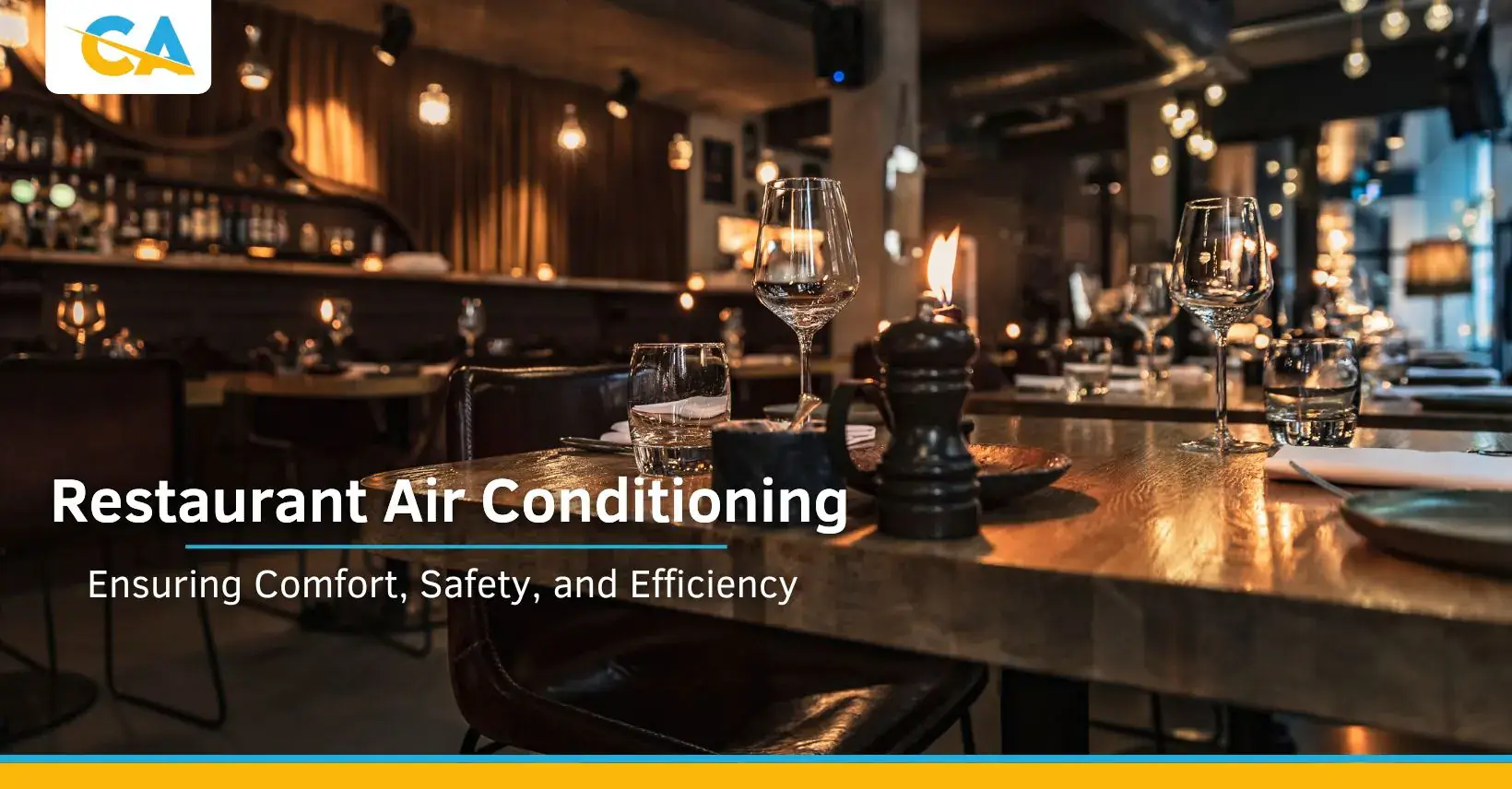
A busy restaurant gets warm quickly. Hot kitchens, full tables and sunny windows all add heat, and without good climate control your diners feel it before you do. Restaurant air conditioning keeps the dining room comfortable, gives kitchen staff a better place to work and helps you protect the food you serve.
This guide explains what a restaurant air conditioning system does, which types of unit work best, the temperatures to aim for in each part of the building and how to keep running costs under control. It also covers how air conditioning differs from kitchen extraction, which is a common point of confusion.
What does restaurant air conditioning do?
A restaurant air conditioning system controls the temperature, humidity and airflow in your premises. In the dining area it keeps guests cool in summer and, with most modern systems, warm in winter. It also removes excess moisture, so the room does not feel stuffy when it is full.
Behind the scenes, it helps staff work safely through long, hot shifts and reduces the heat load on fridges, freezers and cold rooms. Comfortable customers tend to stay longer and come back.
Which type of air conditioning is best for a restaurant?
The right system depends on your restaurant's size, layout, ceiling type and how many separate areas you need to control.
Wall-mounted units
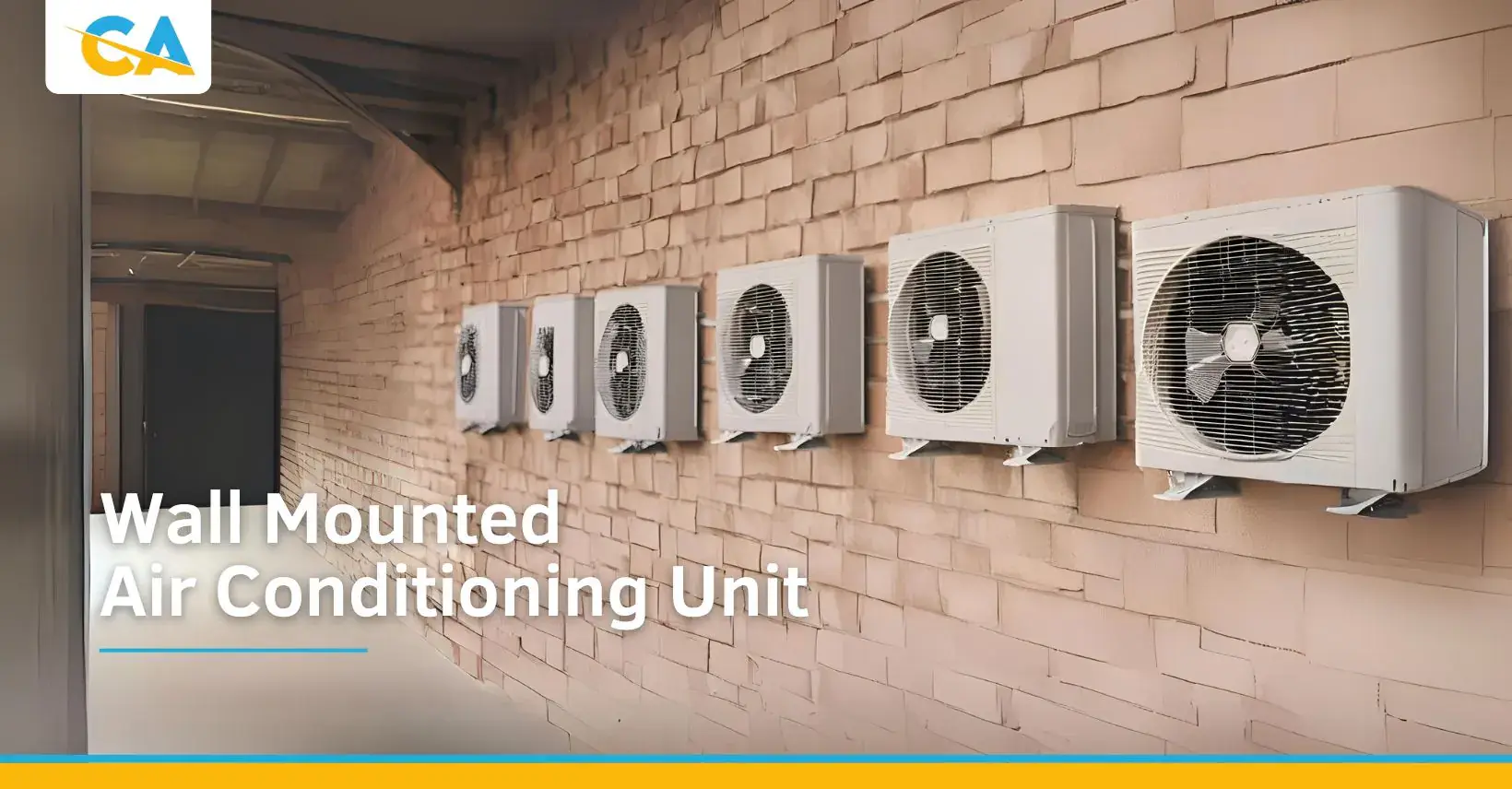
Wall-mounted air conditioning units are quick to install and a good fit for smaller cafés, bars and takeaways. They take up no floor space and suit rooms where the ceiling cannot hold a recessed unit.
Ceiling cassette units
Ceiling cassette units sit flush within a suspended ceiling and push air out in several directions. This gives even cooling across a large dining room and keeps the equipment out of sight, which many restaurant owners prefer.
Multi-split and VRF systems
If you have a dining room, bar, private function room and office, a multi-split or VRF system lets you run several indoor units from one outdoor unit or a shared system. Each area can be set to its own temperature, so a quiet room is not cooled to the same level as a packed one.
What temperature should a restaurant be?
| Area | Target | Why it matters |
|---|---|---|
| Dining area | Around 20°C to 22°C | Comfortable for most guests, with humidity kept in check |
| Kitchen | As cool as practical | Reduces heat stress for chefs and protects ingredients on the line |
| Chilled food storage | 8°C or below (5°C or below is recommended) | UK food safety guidance for chilled food |
| Frozen food storage | -18°C or below | Keeps frozen food safe and in good condition |
Your fridges and freezers keep food at these temperatures, not your air conditioning. However, a hot kitchen or store room forces refrigeration to work much harder, which raises energy use and the risk of breakdowns. Keeping the surrounding space cool helps your cold storage do its job.
In the dining room, treat 20°C to 22°C as a starting point. Customers sitting near windows, doors or the kitchen pass may feel very different from those in the middle of the room, so listen to feedback and adjust settings by zone where you can.
How is air conditioning different from kitchen extraction?
Kitchen extraction and air conditioning are two separate systems. Extraction removes smoke, grease, steam and cooking smells from above the cooking line and vents them outside. Air conditioning cools or heats the air within a room.
A restaurant usually needs both, planned together, because a powerful extraction canopy pulls a large volume of air out of the building. If that air is not replaced properly, the kitchen can feel hot and the dining room can become draughty. Air conditioning should never be used as a substitute for proper extraction.
Choosing and sizing a system for your restaurant
A system that is too small will struggle on a busy summer evening. One that is too large switches on and off often, wasting energy and removing humidity poorly. An engineer will check the following before recommending a size.
- The size of each room and how open the space is.
- Heat from ovens, grills, lighting and glazing, plus the number of covers at peak times.
- The type of restaurant, as a fast-food outlet with doors opening all day needs more than a fine-dining room with long sittings.
- How quiet the indoor units are, so they do not spoil conversation.
- Where the units go, so air reaches every table without blowing straight onto diners.
A site survey is the best way to get this right. You can see examples of systems we have fitted in commercial premises on our gallery of work.
How to keep restaurant air conditioning running costs down
A few simple habits make a real difference to your energy bills, and they work best alongside regular air conditioning maintenance.
- Avoid setting the thermostat very low. Moderate settings keep guests comfortable without overworking the system.
- Use timers or controls so the system is not running when the restaurant is closed.
- Keep doors and windows closed while the system is cooling.
- Clean filters regularly, as blocked filters restrict airflow and increase energy use.
- Choose modern, energy-efficient equipment when replacing older units, as it usually costs less to run.
Servicing and maintenance for restaurant air conditioning
Restaurant systems work hard. Grease in the air, long opening hours and high summer demand all take their toll, so regular servicing matters more here than in many other buildings. A neglected system cools less effectively, costs more to run and is more likely to fail at the busiest time of year.
A professional service includes cleaning filters and coils, checking refrigerant levels, testing controls and looking for early signs of wear. Under UK F-Gas rules, any work on the refrigerant side of a system must be carried out by certified engineers. Our F-Gas certified, REFCOM registered team provides air conditioning servicing and maintenance across the UK, with annual servicing from £85 plus VAT.
If you are planning a new installation or want an existing system checked, get in touch to arrange a free site survey and quote.
Frequently asked questions
Is air conditioning a legal requirement for restaurants in the UK?
There is no law that says a restaurant must have air conditioning. However, employers must keep workplace temperatures reasonable for staff, and food must be stored at safe temperatures. Air conditioning is often the most practical way to meet both duties in a busy restaurant.
Can restaurant air conditioning heat as well as cool?
Yes. Most modern systems work as heat pumps, so the same units can warm the dining area in winter and cool it in summer. This can remove the need for a separate heating system in the front of house.
Do I need permission to fit an outdoor unit?
It depends on your building and location. Listed buildings, conservation areas and rented premises can have extra rules, so check with your local council and landlord before installation.
How often should a restaurant's air conditioning be serviced?
At least once a year. Restaurants with heavy use or a lot of grease in the air may benefit from more frequent filter cleaning between annual services.
Categories: Uncategorized